What Temperature Is Turkey Done? The Safe Internal Temp Guide
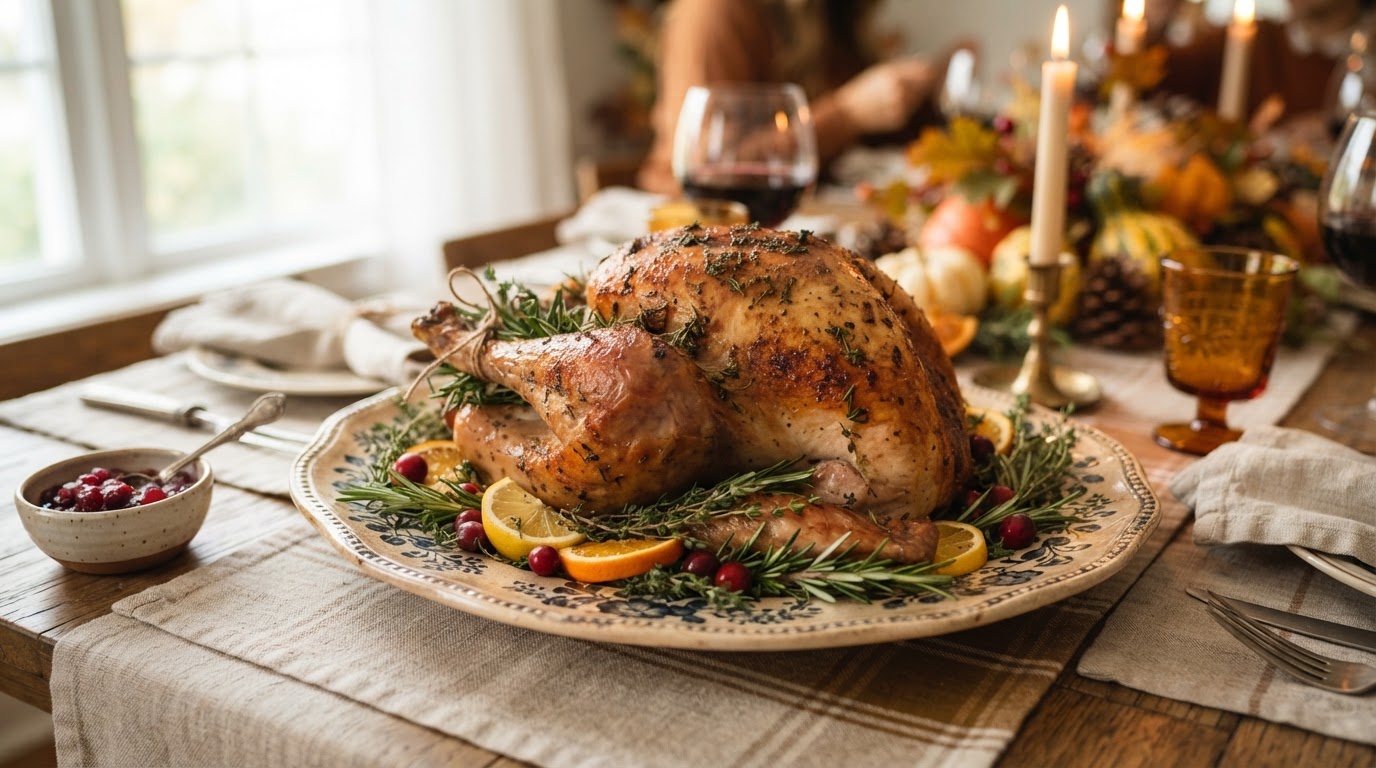
The single most reliable way to know your turkey is done — and safe to eat — is a meat thermometer, not a clock or the pop-up timer. Cooking to the correct internal temperature guarantees juicy meat and eliminates the guesswork (and the worry). Here's exactly what temperature turkey is done, where to measure, and the difference between white and dark meat.
The Safe Temperature
The USDA says turkey is safe to eat when the thickest part of the thigh, wing, and breast reaches a minimum internal temperature of 165°F (74°C). Measure with an instant-read thermometer inserted into the thickest part of the meat without touching bone — bone conducts heat and gives a falsely high reading.
White Meat vs Dark Meat
Breast meat (white) is best at 160–165°F — it dries out quickly above that. Thigh and leg meat (dark) is actually better at 170–180°F, where the connective tissue breaks down and the meat becomes tender and flavorful. If you cook the whole bird until the breast hits 165°F, the thighs may still be slightly under. This is why spatchcocking or cooking parts separately gives the best results.
Where to Measure
Insert the thermometer into the thickest part of the thigh, avoiding the bone. Also check the thickest part of the breast and the innermost part of the wing. All three should read at least 165°F. If any spot is lower, continue cooking and recheck. A digital probe thermometer left in during roasting is the most foolproof tool.
Carryover Cooking
Turkey's internal temperature keeps rising after you take it out of the oven — by 5 to 10°F for a large bird. Pull the turkey when the breast reads 160°F and let it rest; it will coast up to a safe 165°F while resting. This is the secret to juicy breast meat that isn't overcooked.
Why Resting Matters
Rest the turkey loosely tented with foil for at least 20–30 minutes (45 for a large bird) before carving. Resting lets the muscle fibers relax and the juices redistribute — carve too soon and the juices run out onto the board, leaving the meat dry. The rest also gives you time to finish the sides and make gravy from the pan drippings.
Share this post
Post it, email it, or copy a quote to pass along.
https://thanksgivingcountdown.net/blog/what-temperature-is-turkey-doneThanksgiving recipes to pair with this
Classic Roast Turkey
A juicy, golden-roasted Thanksgiving turkey — brined overnight, rubbed with herb butter, and roasted low and slow until the skin is crackling and the meat is tender. The Thanksgiving centerpiece that never goes out of style.
Read more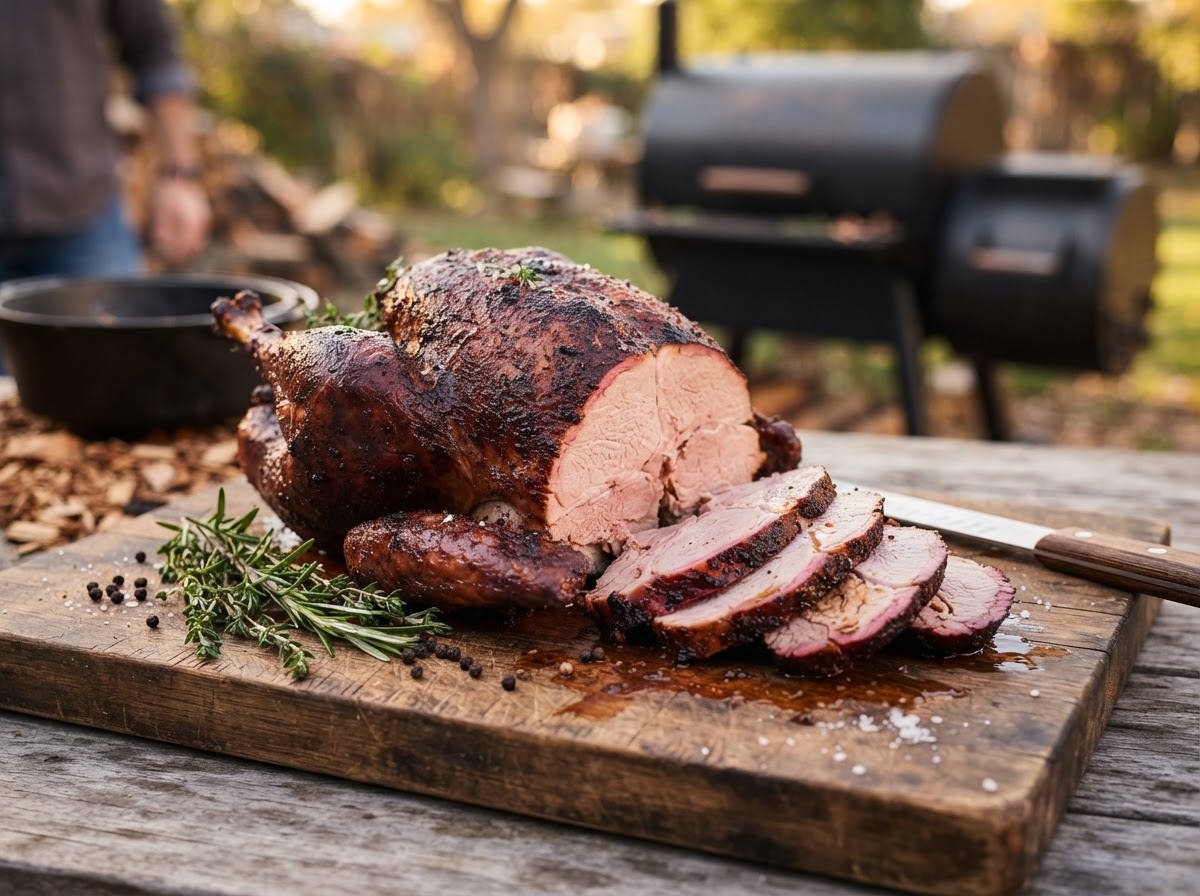
Smoked Thanksgiving Turkey
A deep, smoky, slow-smoked Thanksgiving turkey with crisp, mahogany skin and juicy meat. Brined overnight and smoked over apple or cherry wood for the kind of flavor the oven can't give you.
Read moreKeep reading
More from the blog
How to Make Gravy from Turkey Drippings
How to make Thanksgiving gravy from turkey drippings — a roux, the stock, the seasonings, and a smooth pour at the table.
Read more
Thanksgiving Pies Beyond Pumpkin and Pecan
Thanksgiving pie ideas beyond the classics — a brown-butter sweet potato pie, a cranberry-apple crumble pie, and a chocolate-pecan twist.
Read more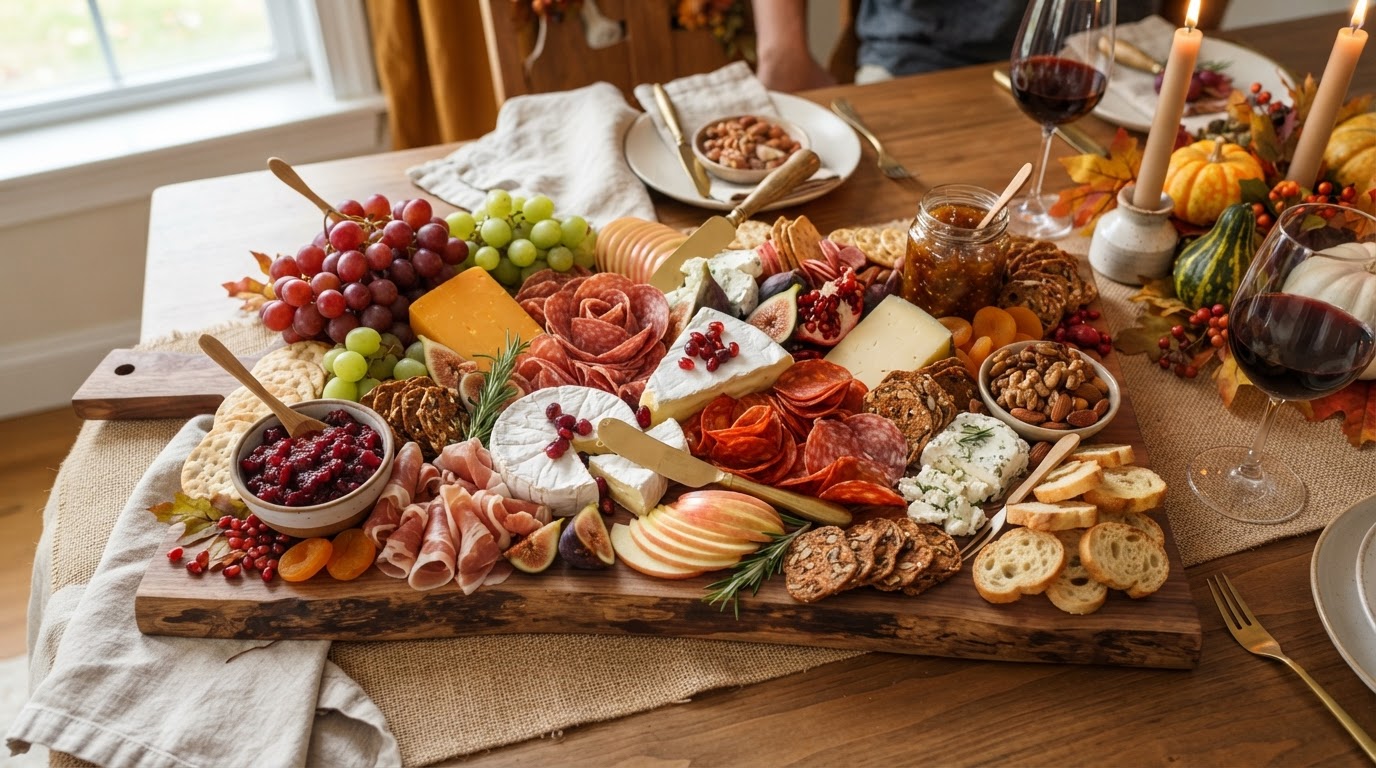
Light Thanksgiving Appetizers That Won't Fill Everyone Up
Light Thanksgiving appetizers — a simple dip, toasted nuts, and crudités — that tide guests over without ruining the meal.
Read more