Dry Brine vs Wet Brine Turkey: Which Is Better?
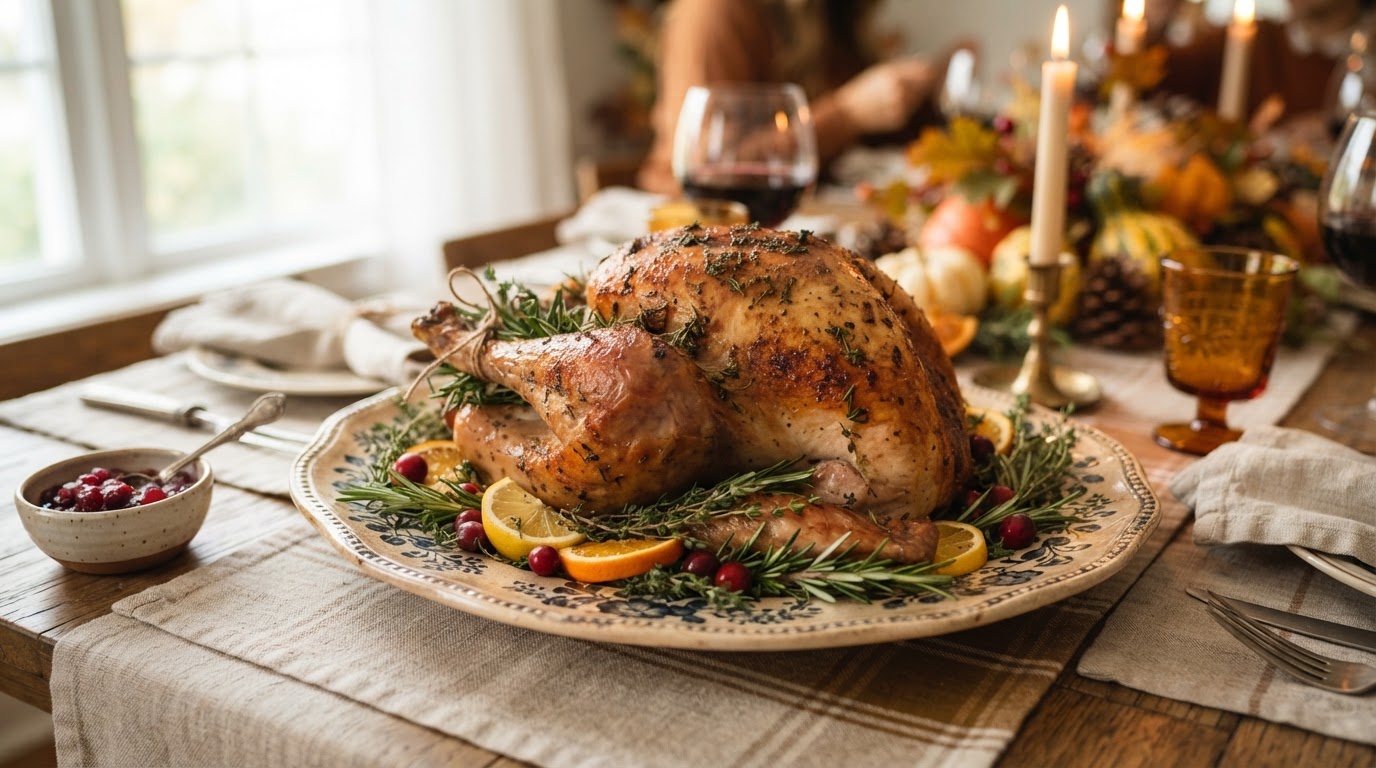
Brining is the single biggest upgrade you can make to your Thanksgiving turkey — it seasons the meat to the bone and keeps it juicy. But should you wet brine (soaking the turkey in salt water) or dry brine (rubbing it with salt and letting it sit)? Both work, but they suit different cooks and cooking methods. Here's the honest comparison.
What Is a Wet Brine?
A wet brine is a salt-and-water solution (about ½ cup kosher salt per gallon of water), often with sugar, aromatics, and citrus, that the turkey soaks in for 12–24 hours. The turkey absorbs water and salt, which keeps it moist during cooking. You need a large container or brining bag and fridge space, and you must rinse and dry the bird before cooking.
What Is a Dry Brine?
A dry brine is salt (and often herbs and sugar) rubbed directly onto the turkey, which then rests uncovered in the fridge for 24–72 hours. The salt draws out moisture, dissolves into it, and is reabsorbed — seasoning the meat and drying the skin for crispness. No water, no big container, no rinsing. It's simpler and many cooks find the flavor more concentrated.
Juiciness and Flavor
Wet brining adds water weight, so the meat is plumper and more forgiving if you slightly overcook — great insurance for nervous cooks. But that water can dilute the turkey flavor slightly. Dry brining seasons more intensely and doesn't add water, so the flavor is richer and more 'turkey-forward.' For pure flavor, dry brine wins; for maximum moisture insurance, wet brine wins.
Crisp Skin
Dry brining produces noticeably crispier skin because the uncovered fridge rest dehydrates the skin. Wet-brined skin must be patted very dry (and ideally air-dried overnight) to crisp, or it steams and stays rubbery. If crackling skin is your goal, dry brine is the clear choice.
Which to Choose by Cooking Method
For oven roasting, both work — dry brine for crisp skin and flavor, wet brine for foolproof moisture. For smoked turkey, dry brine is preferred because it doesn't add water that the smoker has to evaporate. For deep-fried turkey, dry brine is essential — a wet-brined bird still wet inside will cause dangerous oil boil-over. For a small turkey or turkey breast, dry brine is simpler and plenty moist. See our full turkey brine recipe for ratios and timing.
Share this post
Post it, email it, or copy a quote to pass along.
https://thanksgivingcountdown.net/blog/dry-brine-vs-wet-brine-turkeyThanksgiving recipes to pair with this
Classic Roast Turkey
A juicy, golden-roasted Thanksgiving turkey — brined overnight, rubbed with herb butter, and roasted low and slow until the skin is crackling and the meat is tender. The Thanksgiving centerpiece that never goes out of style.
Read more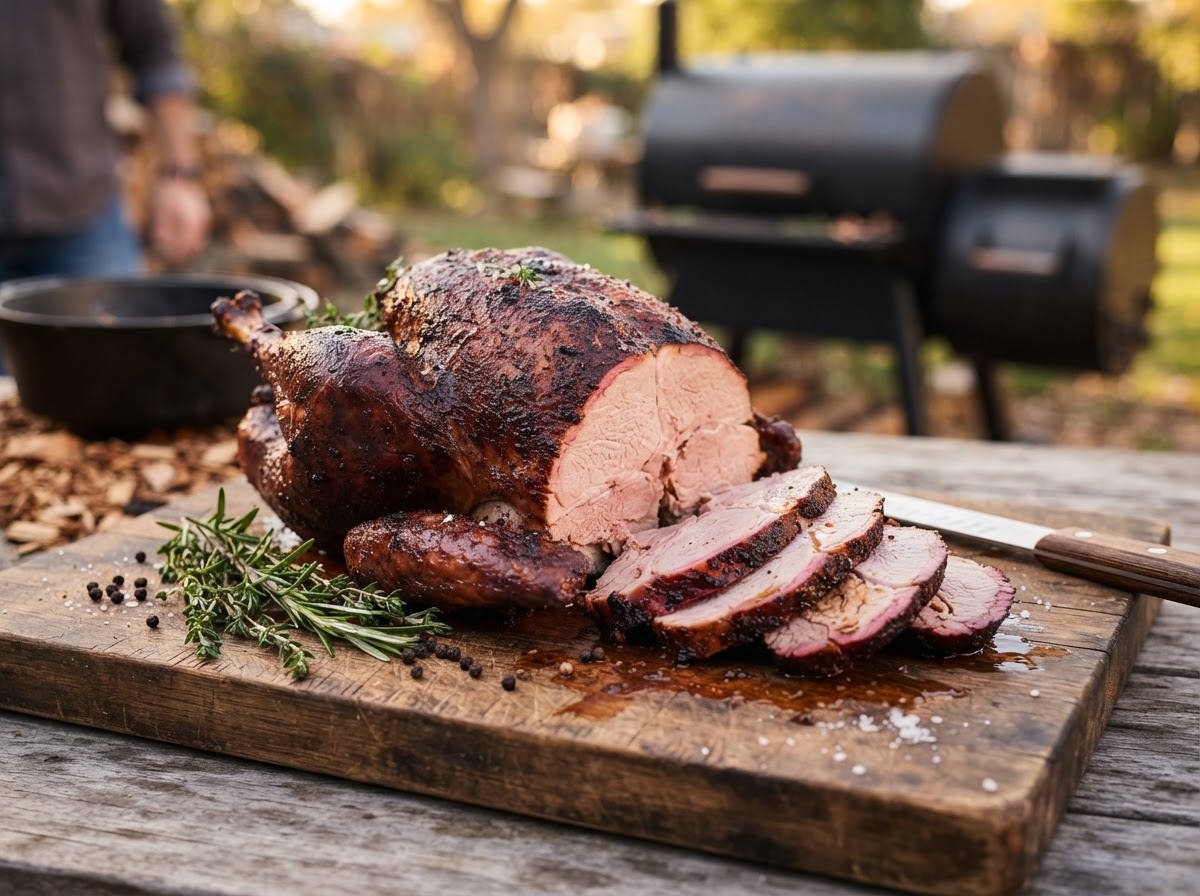
Smoked Thanksgiving Turkey
A deep, smoky, slow-smoked Thanksgiving turkey with crisp, mahogany skin and juicy meat. Brined overnight and smoked over apple or cherry wood for the kind of flavor the oven can't give you.
Read moreKeep reading
More from the blog
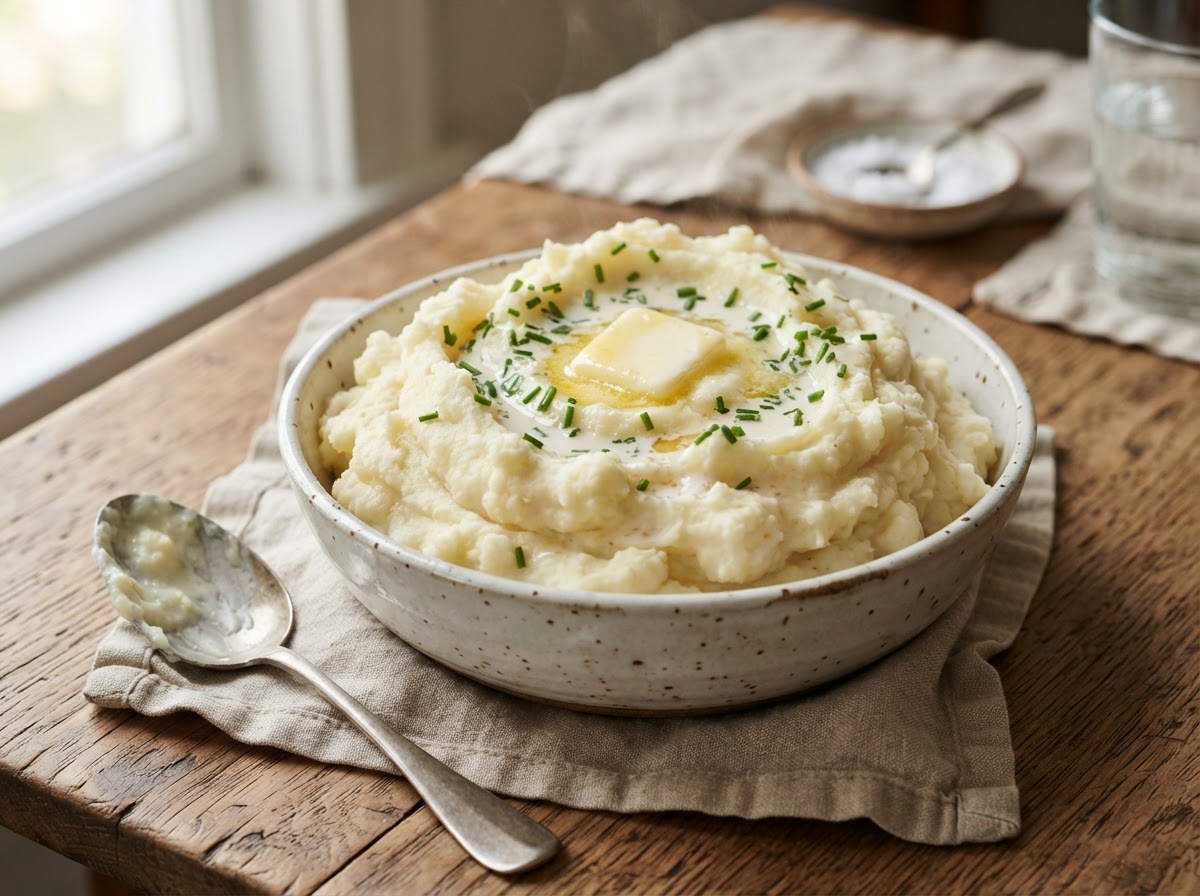
How to Make Gravy from Turkey Drippings
How to make Thanksgiving gravy from turkey drippings — a roux, the stock, the seasonings, and a smooth pour at the table.
Read more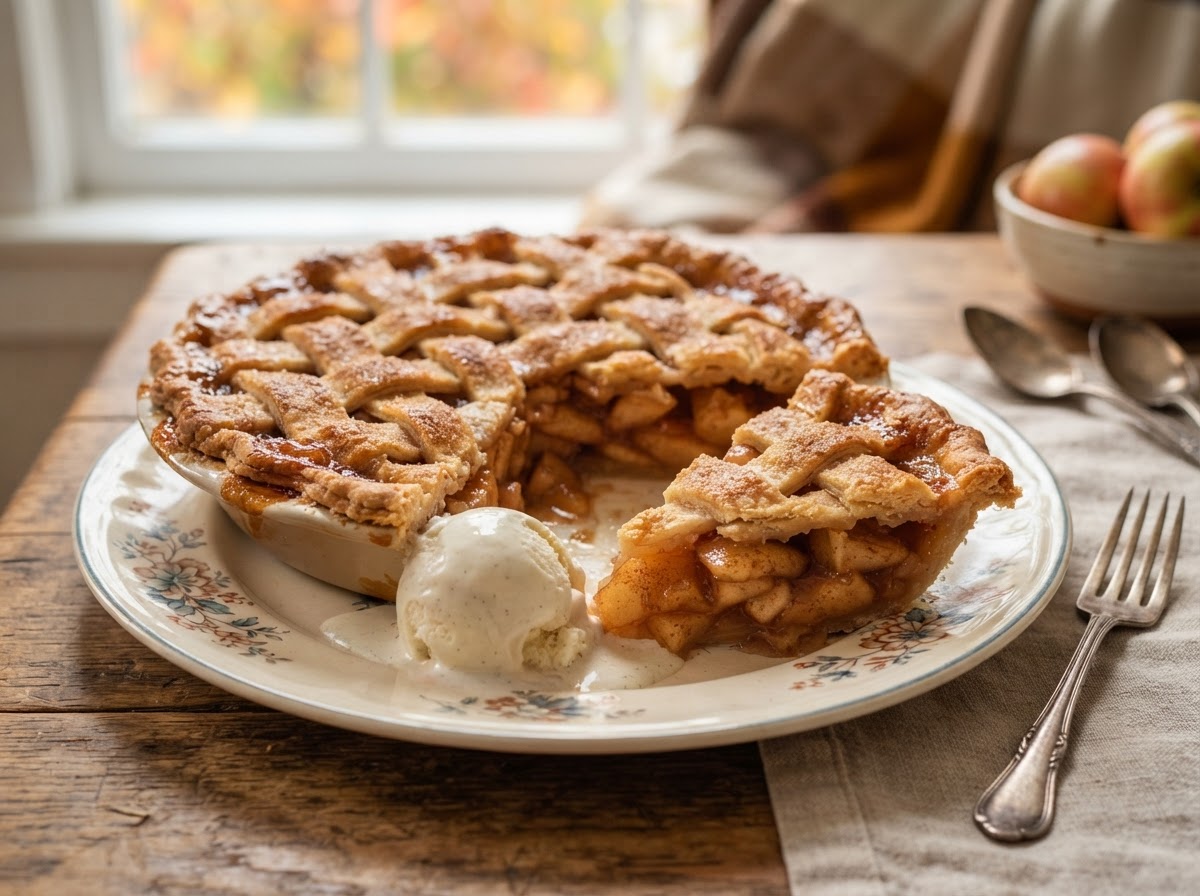
Thanksgiving Pies Beyond Pumpkin and Pecan
Thanksgiving pie ideas beyond the classics — a brown-butter sweet potato pie, a cranberry-apple crumble pie, and a chocolate-pecan twist.
Read more
Light Thanksgiving Appetizers That Won't Fill Everyone Up
Light Thanksgiving appetizers — a simple dip, toasted nuts, and crudités — that tide guests over without ruining the meal.
Read more